

As part of the government’s heat and buildings strategy, the Boiler Upgrade Scheme
(BUS) is designed to make low-carbon heating systems more attainable
for homes and small businesses in England and Wales.
In line with the government’s 2050 net zero target, the BUS
initiative aims to replace old, inefficient boilers with greener energy-efficient models.
The existing Boiler Upgrade Scheme is currently set to run until 31 December 2027,
with £400m worth of funding committed.
If you qualify for the Boiler Upgrade Scheme, you’ll receive a grant post-install towards an energy-efficient boiler upgrade. What’s more we’ll do all of the application process on your behalf so you don’t need to worry about filling out any paperwork!
£7,500/ £9000
£7,500 / £9,000
£5,000
The Boiler Upgrade Scheme is open to homeowners and
small business owners in England and Wales only.
You may be eligible for the Boiler Upgrade Scheme if you:
(including a business, second home, or property you rent to tenants)
or direct electric storage heaters
Your property must:
with no outstanding recommendations for loft or cavity wall insulation.
You can find and check your EPC certificate through the Gov.UK website
https://www.gov.uk/find-energy-certificate
If you have outstanding recommendations for loft or cavity wall insulation, we’re here to help.

The government-backed Boiler Upgrade Scheme (BUS) and 0% VAT on renewables are making renewable energy more affordable than ever for homeowners.
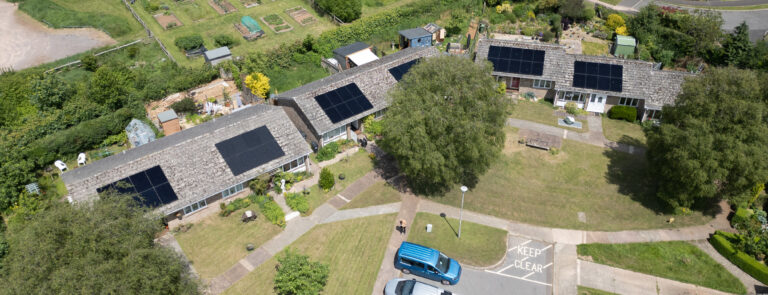
We would be delighted to guide you through your options.
It’s free, with no obligation.
To be eligible for the Boiler Upgrade Scheme, your chosen low-carbon upgrade must meet the following criteria:
It should be commissioned on or after 1st April 2022
It must fully replace an existing fossil fuel system, such as oil, gas, or direct electric
The installation capacity should not exceed 45kWth, which is sufficient for most homes
Your chosen technology should effectively meet both the space heating and hot water demands of the property
Any heat pump must have a seasonal coefficient of performance (SCOP) of at least 2.8
Switching from your traditional heating system to an energy-efficient boiler can result in huge energy savings and a significant reduction in energy bills.
Energy-efficient heating systems produce fewer emissions than other methods, making them the eco-friendly choice for your home and the planet.
Green energy sources are proven to increase the value of a property, with a growing demand for renewable energy amongst savvy buyers.
One of the many pros of an air source heat pump is that they are suitable for virtually any home.
Air source heat pumps absorb heat from the outdoor environment (even when temperatures are below freezing), and use that heat to deliver comfort and warmth to your living space.
They are installed outside your property, but you don’t need a vast amount of outdoor space.
An outside location that has good airflow with minimal obstructions is ideal.
You do need outdoor space if you opt for a ground source heat pump.
As a general rule of thumb (and if you opt for trenching over boreholes), this should be around twice the surface area of your dwelling.
Ground source heat pumps channel the consistent underground temperature of the earth to transfer heat into your home.
Depending on the scope of your outside space, a ground source heat pump system can be installed vertically using boreholes or horizontally using trenches.
If you have a rural property and you’re off the gas grid, a biomass boiler could be the right renewable energy solution for your home.
A biomass boiler utilises organic matter as a fuel source. Often this includes materials such as wood pellets, chips, or logs.
The boiler burns the organic materials to generate sustainable heat which can be used for central heating and hot water for your home.
"We've had plenty of positive feedback, in terms of how the installs have gone, the conduct of the installers and their professionalism, and the performance has been good. That's always been a positive feedback from our residents, in terms of the feel, in terms of its temperature especially during the winter months. It's been really beneficial from us as a council."
"This is an important first step in creating a more sustainable, lower-emissions football club. For us, it is about investing wisely in a greener future that will benefit the environment, the club, and the local community. We hope it will inspire other clubs and initiatives in Cheltenham and the wider Gloucestershire area."
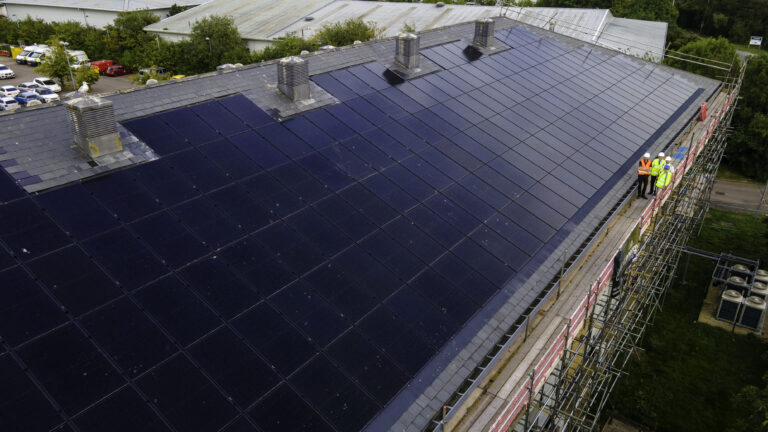
I can't fault the company for their professionalism and assistance. They have all been, without exception, excellent people to work with… the whole feeling of the completed job is one of high quality. The difference it's made is massive; this building's never been so comfortable to work in.

"Because of the massively lowered carbon footprint, we’re really looking after future generations who will want to use the leisure centre. I think it’s an amazing opportunity for leisure services at Stratford Park."
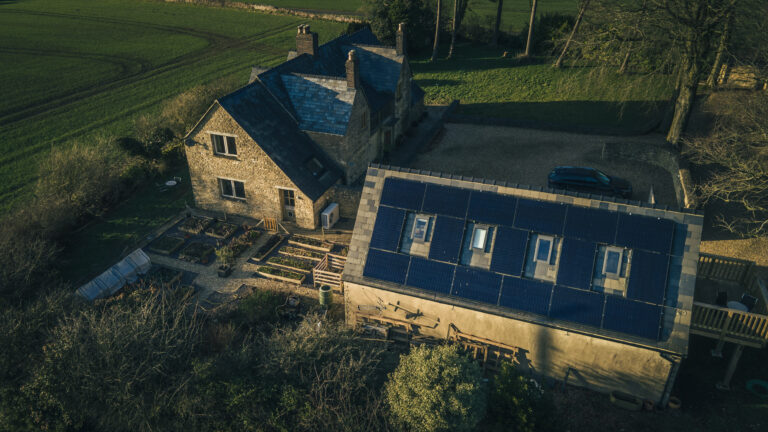
Cotswold Energy Group is an MCS (Microgeneration Certification Scheme), TrustMark and RECC accredited renewables installer for the Boiler Upgrade Scheme.
The admin of the BUS scheme is the installer’s responsibility which means we will process the application on your behalf.
If you believe you are eligible for BUS funding, please contact us and we will:
“The solar panels and the renewables side of things were always something we’d considered, It was a big motivation in trying to make the property greener; The bungalow feels very different with the heat pump running, it feels drier and warmer. I would definitely recommend Cotswold Energy Group to install it; they installed the whole system in four days!”
Our team supports homeowners and businesses across the UK – no matter where you’re located.
Simply fill out the form opposite and one of our experts will be in touch to guide you through your options.
Our team can help you:
If you’d prefer to contact us directly to discuss your project then get in touch via [email protected], call us at 0333 444 5 444 or book a free no-obligation consultation.