Whilst it may seem like we are still in the height as summer, before we know it, the colder months will soon start to fast approach. With energy prices remaining uncertain, more UK homeowners are searching for smarter, more sustainable ways to heat their homes, making now the perfect time to consider installing a heat pump – before winter arrives.
Whether you opt for an air source heat pump (ASHP) or a ground source heat pump (GSHP), the benefits are clear: lower heating bills, reduced carbon emissions, and year-round comfort. In this article, we’ll break down how heat pumps work, which type is right for you, how much you can expect to save – and why acting now, before the weather turns, puts you ahead of the curve.
What Is a Heat Pump and Why Should You Care?
Heat pumps are low-carbon heating systems that extract heat from the air or ground and transfer it into your home. Instead of burning fossil fuels like a traditional gas boiler, heat pumps use electricity to move heat – making them three to five times more efficient.
“A well-installed air source heat pump can deliver around 300% efficiency – meaning for every 1kWh of electricity you use, you get 3kWh of heat,” explains the Energy Saving Trust.
They’re also reversible, so in summer months, some systems can cool your home too.
Air Source vs Ground Source: What’s the Difference?
Both systems operate on the same principle – transferring heat – but the key differentiator is that they draw it from different sources:
Air Source Heat Pumps (ASHP)
- Extract warmth from the outside air (even in freezing conditions)
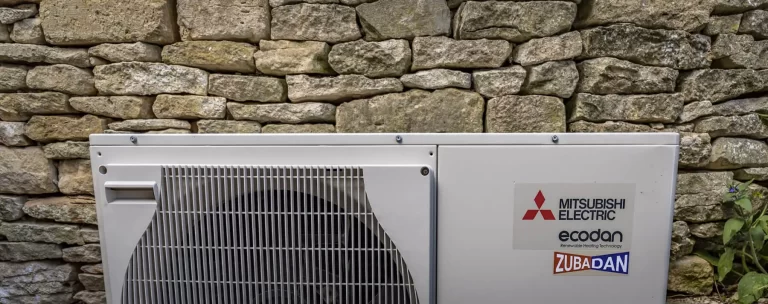
- Usually mounted outside the home
- Easier and quicker to install
- Ideal for urban and suburban homes
Ground Source Heat Pumps (GSHP)
- Extract heat from the ground via buried pipework
- Require garden or land space (horizontal trenches or vertical boreholes)
- Higher efficiency, especially in very cold weather
- Best suited for new builds or rural properties
Why You Should Install Before Winter
1. Avoid Seasonal Delays
Heat pump demand spikes in autumn and early winter. By installing in summer or early autumn, you beat the rush – ensuring your system is up and running before cold snaps hit.
“We often see a surge in demand after the first frosts of the year,” says Jonathan Smith, technical lead at the UK Heat Pump Association. “Installers get booked up fast, and lead times can double.”
2. Benefit from Government Grants
As of 2025, the Boiler Upgrade Scheme (BUS) provides up to:
- £7,500 off the cost of an air or ground source heat pump in England and Wales
- In Scotland, Home Energy Scotland offers up to £15,000 in loans and grants
Acting early increases your chances of securing funding before yearly allocations run out.
3. Lock in Lower Energy Bills
With gas prices still volatile, switching to a heat pump could significantly reduce your energy bills. According to the independent installer network HeatPumps.London:
- A typical 3-bedroom home with an ASHP could save around £1,500 a year
- A well-designed GSHP can save up to £2,500 a year – especially if replacing electric or oil heating
Real Savings, Real Carbon Reductions
Replacing a gas boiler with a heat pump doesn’t just lower bills – it slashes your carbon footprint too. Based on average figures:
- An ASHP can reduce your carbon emissions by up to 2.9 tonnes per year
- A GSHP can reduce emissions by 70–80%, depending on your electricity tariff and property
With the UK government committed to net zero emissions by 2050, making this change now supports both your wallet and the planet.
What Does Installation Involve?
For an Air Source Heat Pump:
- Typically installed within 2–4 days
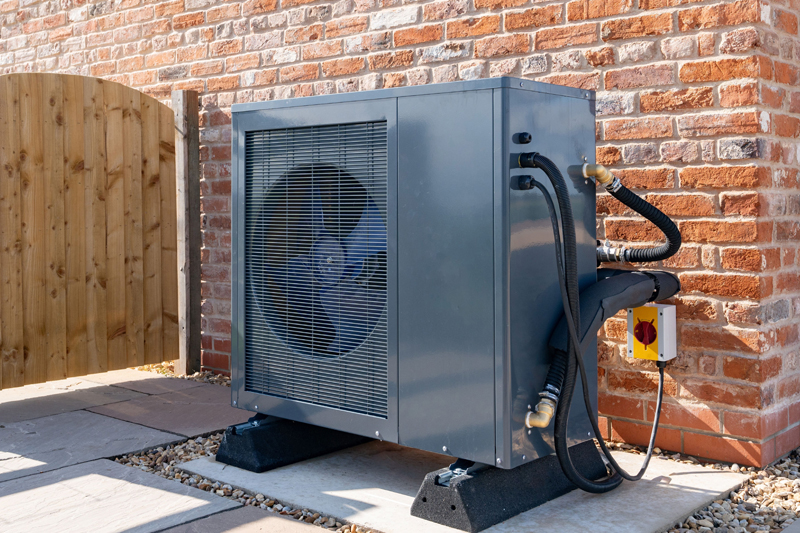
- Outdoor unit placed adjacent to one of your house walls – usually either on the side or at the back
- May require upgrading radiators for maximum efficiency
For a Ground Source Heat Pump:
- Installation takes longer: usually 2–3 weeks
- Requires excavation or boreholes
- Best done during renovations or for new builds
- More expensive upfront, but higher efficiency and longer lifespan
What About Running Costs?
While heat pumps are incredibly efficient, the exact running cost depends on your home’s insulation and electricity tariff.
That’s why heat pump installs are often paired with insulation upgrades to maximise performance. The more heat your home retains, the less your pump needs to work – saving energy and money.
And don’t forget, heat pumps qualify for cheaper off-peak tariffs designed specifically for low-carbon homes.
Is My Home Suitable?
Most UK homes can support a heat pump, especially with the right adjustments.
You’ll need:
- Good insulation (especially walls and loft) for optimum effectiveness
- Outdoor space (for ASHP unit or GSHP trenches/boreholes)
- Larger radiators or underfloor heating for maximum efficiency
A qualified installer will assess your home and recommend what’s needed. If you’re unsure, start with an assessment or indicative quote which all reputable providers will offer.
Ready to Act? Here’s What to Do Next
- Book a free consultation – kickstart the process with a quote estimate from our renewable energy specialists
- Book a site survey – get expert advice tailored to your home
- Apply for grants – check eligibility for BUS or regional schemes
- Plan insulation upgrades, if required – improve heat retention and lower costs
- Choose the right system – based on budget, space, and heating needs
- Install ahead of winter – beat the rush and enjoy warm, efficient heating all season
Final Thoughts: Don’t Wait for the Cold to Creep In
Heat pumps aren’t just the future – they’re the present. By installing now, you’ll benefit from:
- Cheaper energy bills
- Lower carbon emissions
- Better comfort through winter
- Access to government grants
- A future-proof heating system for decades to come
Whether you choose an air source or ground source system, act early and stay ahead of the winter rush. Your future self – and your bank balance – will thank you!.
Need help getting started? We are a trusted, fully MCS-certified heat pump installer that operate across the UK. Get in touch for a free quote and expert advice today.